

Feminine Pixie Cuts for 2026: Styles, Face-Shape & Styling Guide
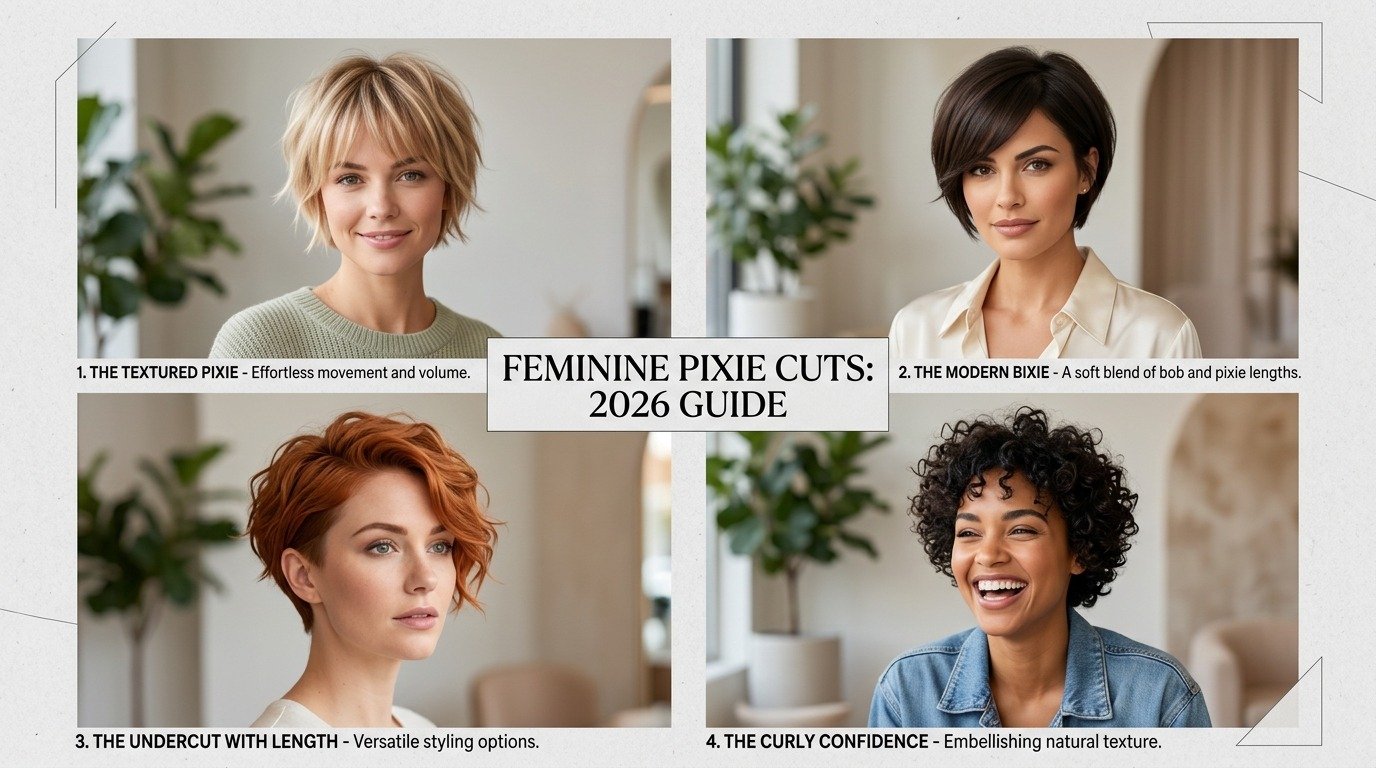
Short hair is having a real moment. "Feminine Pixie Cuts" is up 1,500% month over month on Pinterest right now, sitting at the top of the Beauty category. What's driving it isn't the severe, cropped pixie of years past, but softer hybrid versions built around movement, face-framing pieces, and barely-there styling. This guide covers which version actually suits your face shape, the handful of products that keep it looking feminine rather than stark, and the maintenance schedule most "pixie inspo" posts never mention.
1. The 2026 Pixie Styles Worth Knowing
2. Which Pixie Suits Your Face Shape
3. The Styling Products That Keep It Feminine
4. Maintenance & Trim Schedule by Type
5. How to Grow It Out Without the Awkward Stage
6. FAQs
The 2026 Pixie Styles Worth Knowing
Pixie cuts have moved past the single "classic crop" look. These are the versions defining the trend right now.
The Bixie (Bob + Pixie)
Short and cropped at the back and sides, with slightly longer, face-framing pieces in front like a bob. It's one of the most flattering hybrid shapes because it softens the pixie's edges while keeping the low-maintenance length.
The Wixie (Wolf Cut + Pixie)
Choppy, lived-in layers borrowed from the wolf-cut trend, cut into pixie length. It has built-in texture, so it photographs well slightly messy rather than needing to be perfectly smoothed.
The Grown-Out Pixie
Soft layers and relaxed, air-dried texture rather than a tightly structured shape. It's one of the lowest-maintenance versions of the trend and blends naturally into a shag or French bob as it grows.
Face-Framing Pixie
Keeps length around the face, often swept into curtain bangs, while the back and sides stay cropped short. Designed specifically to draw attention to the eyes and cheekbones.
Which Pixie Suits Your Face Shape
A skilled stylist can adapt a pixie to almost any face shape, but these general pairings are a reliable starting point for your consultation.
| Face Shape | Best Pixie Features |
|---|---|
| Oval | Works with nearly every variation; a classic or textured crop is a safe, flattering default |
| Round | Height at the crown and longer top layers to elongate the face |
| Square | Soft, side-swept bangs and rounded edges to balance a strong jawline |
| Heart | Side-swept or choppy bangs that taper, keeping volume lower and away from a wider forehead |
| Long | Fuller bangs to visually shorten the face |
| High Forehead | Side-swept bangs rather than a fully open, swept-back style |
The Styling Products That Keep It Feminine
The difference between a severe-looking pixie and a soft, feminine one usually comes down to layering and product choice, not the length itself.
For Volume and Lift
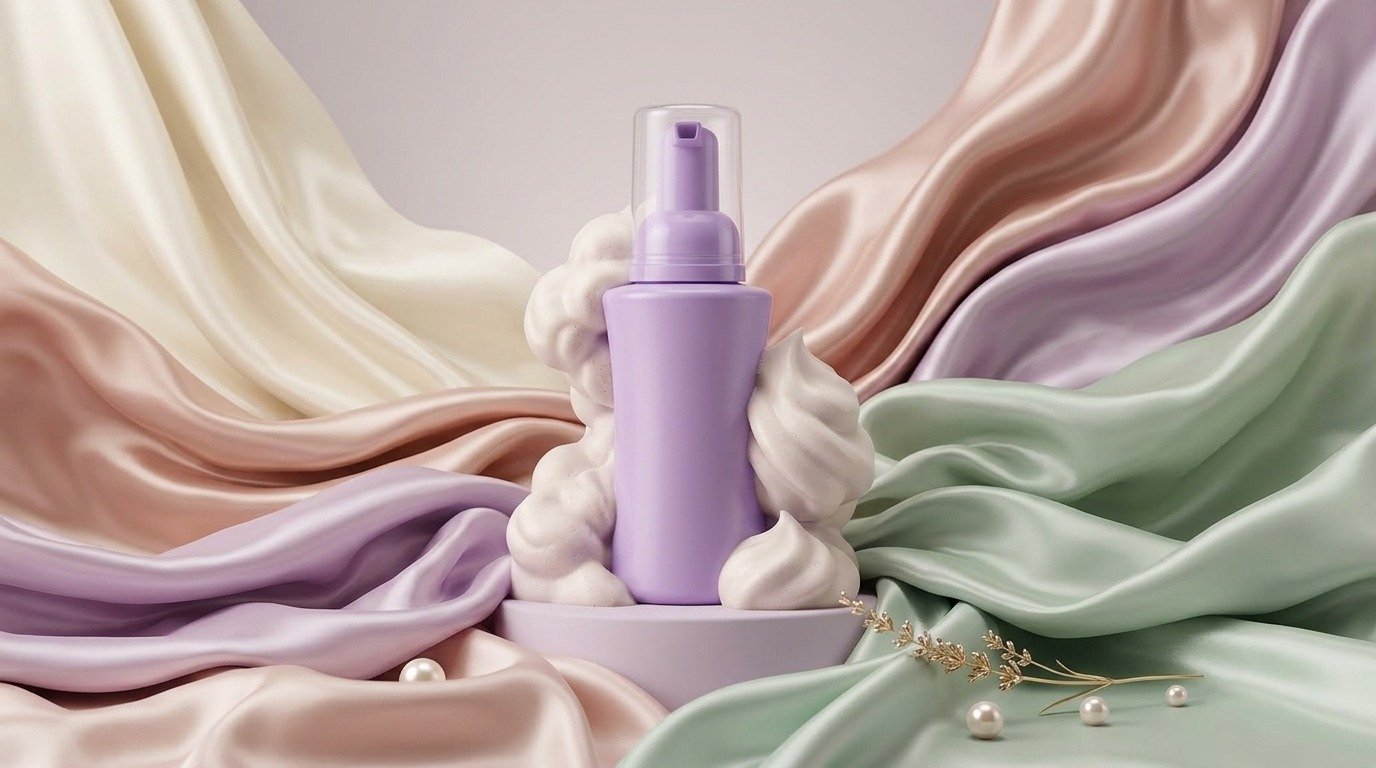
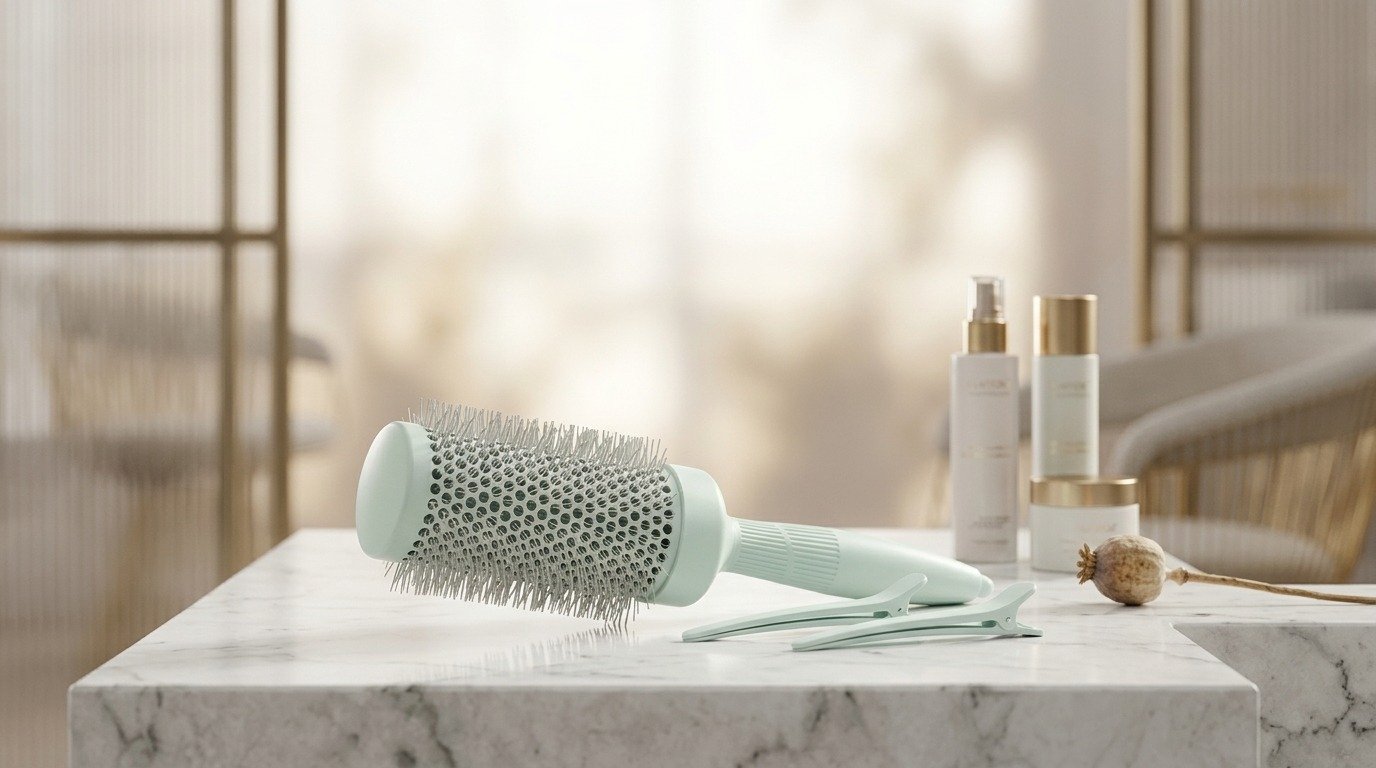
A lightweight volumizing mousse applied to damp hair before a quick round-brush blowout adds the lift that keeps a short cut from looking flat against the scalp.
For Texture and Separation
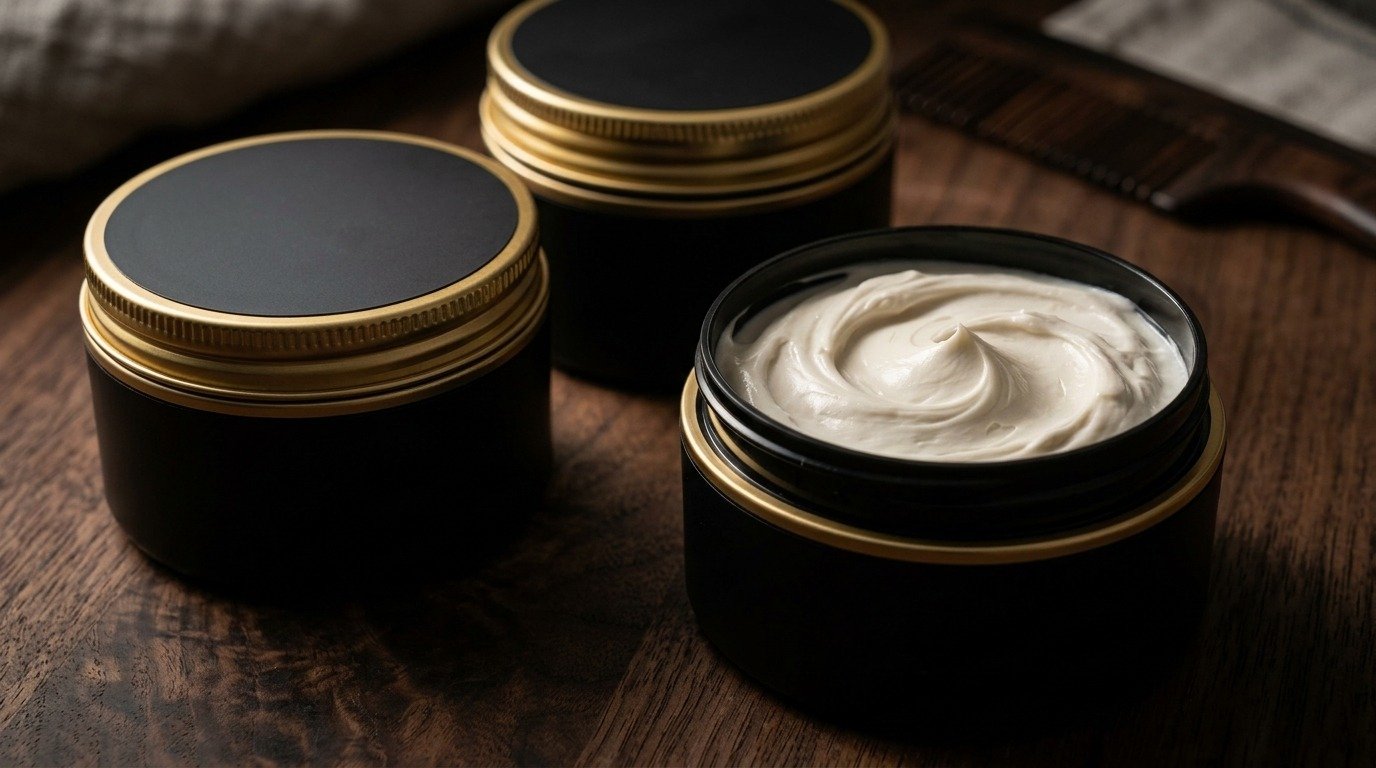
A pea-sized amount of texturizing paste or pomade worked through dry pieces creates the soft, piece-y definition that reads as styled rather than slept-on, especially for wixie and grown-out versions.
For Effortless, Air-Dried Days
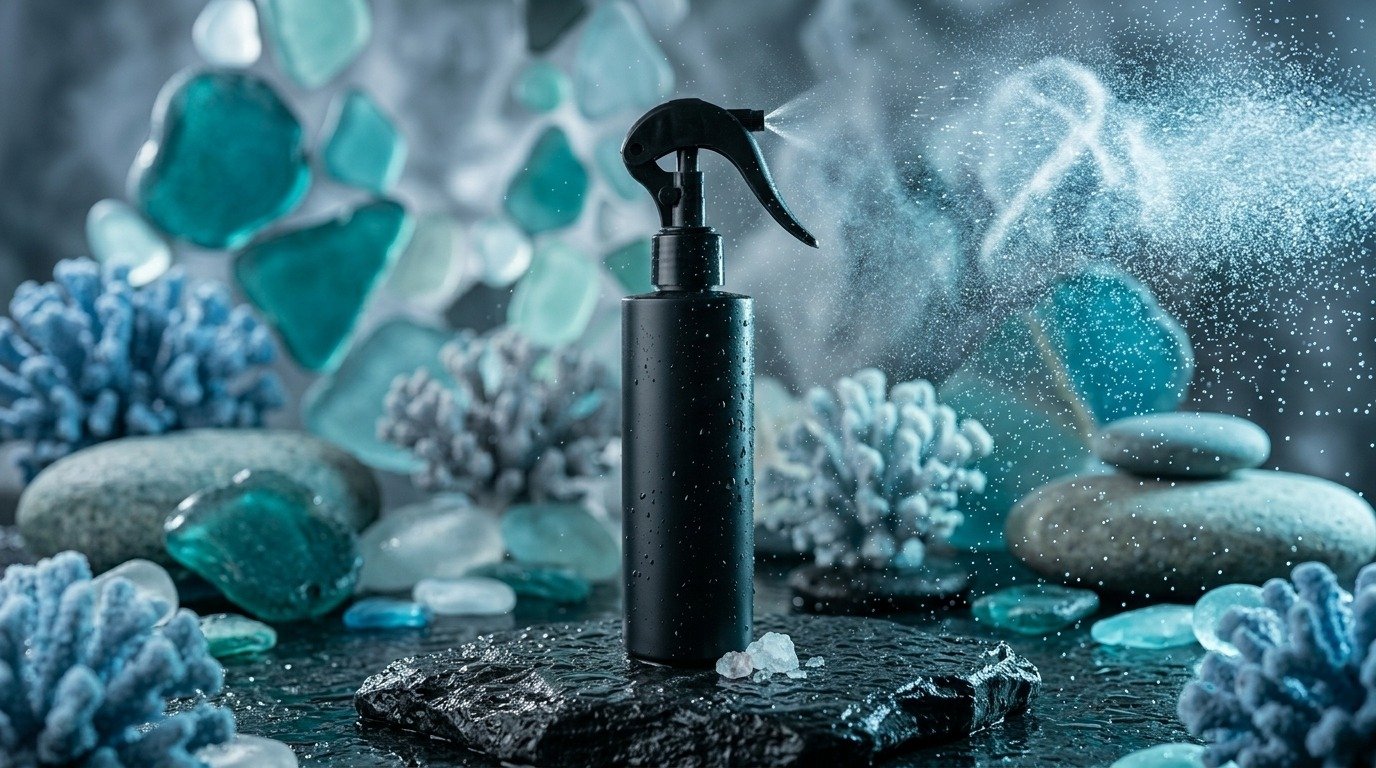
A sea salt or texture spray on damp hair, scrunched and left to air-dry, is the easiest route to the relaxed, grown-out pixie look with almost no active styling time.
For Heat Styling Days
Any time heat tools touch a pixie, a heat protectant spray first prevents the dryness and breakage that shows up fast on short layers.
Maintenance & Trim Schedule by Type
How often you'll need to see your stylist depends heavily on which pixie variation you choose, not just that it's "short hair."
| Pixie Type | Trim Frequency | Daily Styling Time | Grow-Out Behavior |
|---|---|---|---|
| Classic crop | Every 3-4 weeks | 5-7 minutes | Gets shaggy quickly; needs regular trims |
| Undercut / faded | Every 2-3 weeks (sides) | 5-10 minutes | Sides lose shape fastest of any version |
| Curly pixie | Every 4-6 weeks | 3-10 minutes | Curls hide grow-out naturally; most forgiving |
| Grown-out / wixie | Every 6-8 weeks | 2-5 minutes | Lived-in texture masks grow-out well |
How to Grow It Out Without the Awkward Stage
The stretch between a pixie and a bob typically takes 6 to 12 months, and most people hit an awkward, mullet-like phase somewhere around months 3 to 5. A few strategies make that stretch much more manageable.
- Trim the nape only. Regular small trims at the back and sides, without touching the length on top, keep the shape intentional while the overall length grows.
- Ask for face-framing layers early. Longer pieces around the face from the start give you something to style forward during the in-between stage.
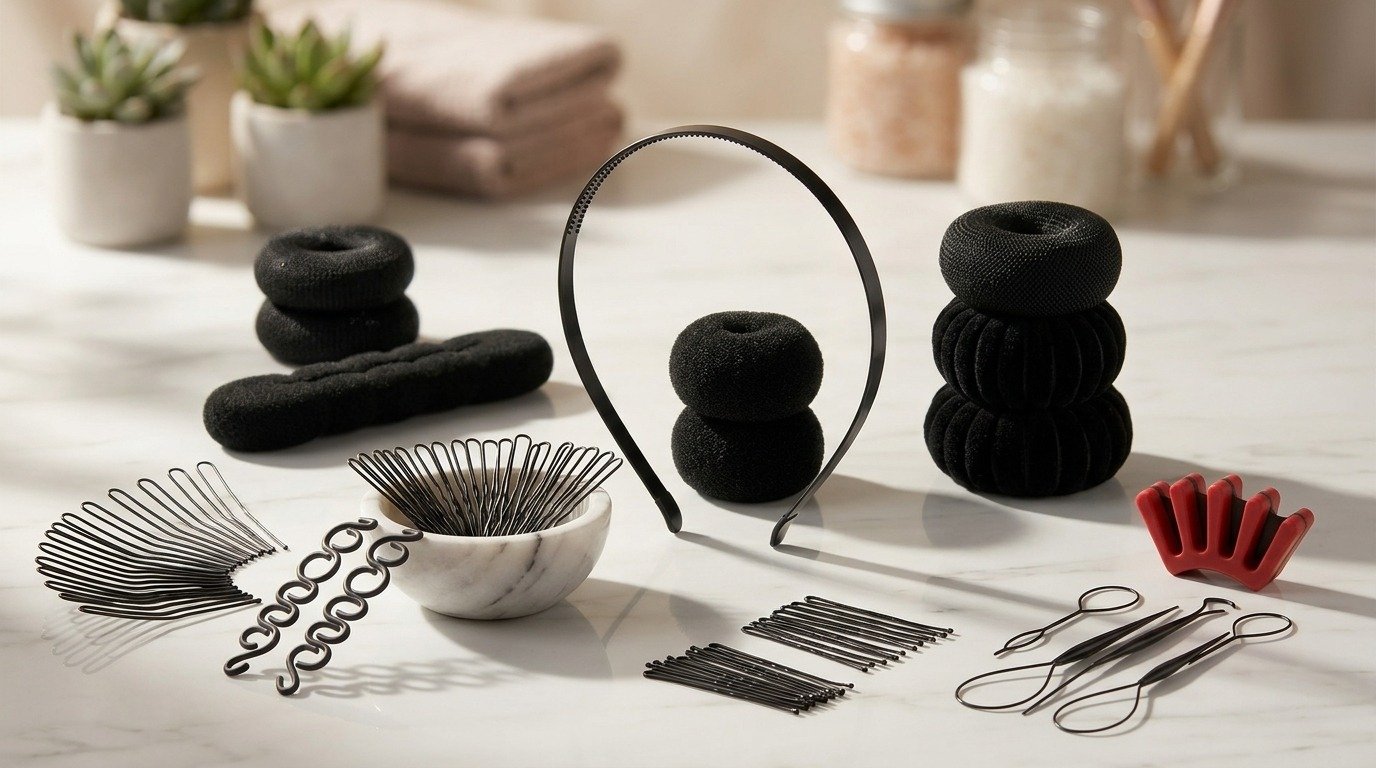
- Lean on headbands and clips. They're the simplest tool for managing awkward lengths at the temples and crown during months 3 to 5.
- Keep using texture products. A lived-in, piece-y finish disguises uneven regrowth far better than a smooth, flat style does.
Frequently Asked Questions
Does a pixie cut suit every face shape?
A skilled stylist can adapt a pixie to most face shapes by adjusting bangs, crown height, and layering, though certain variations (like added height at the crown for round faces) work better for specific shapes.
What is a "bixie" haircut?
A bixie blends a short, cropped pixie at the back and sides with slightly longer, bob-like pieces in the front, creating a softer, more versatile shape than a traditional pixie.
How often do I need to get a pixie cut trimmed?
It depends on the style: classic crops typically need a trim every 3 to 4 weeks, while grown-out and curly versions can often stretch to 6 to 8 weeks.
How long does it take to grow out a pixie cut?
Growing from a pixie to a bob-length style generally takes 6 to 12 months, with an awkward transitional stage often appearing around months 3 to 5.
What products make a pixie cut look fuller?
A volumizing mousse applied before blow-drying, followed by a small amount of texturizing paste on dry hair, is the most common combination stylists recommend for added fullness.
Final Thoughts
The 2026 version of the pixie cut is softer and more forgiving than the style's reputation suggests, with hybrid shapes like the bixie and wixie making it easier than ever to keep it feminine and low-maintenance at the same time. Bring a clear photo and a description of the vibe you want to your next appointment, and build your product routine around the specific variation you choose rather than a generic "short hair" kit.
Shop Pixie Styling Essentials